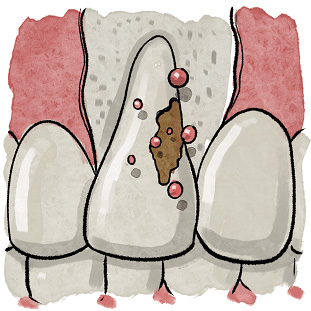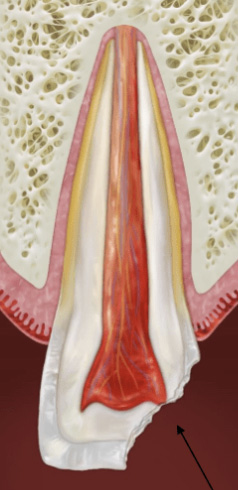
In many cases, a chipped tooth caused by traumatic injuries can be repaired by reattaching the broken piece or restoring it with a filling or crown. However, if the pulp—the soft tissue inside the tooth containing nerves and blood vessels—becomes exposed or damaged, root canal treatment may be necessary.
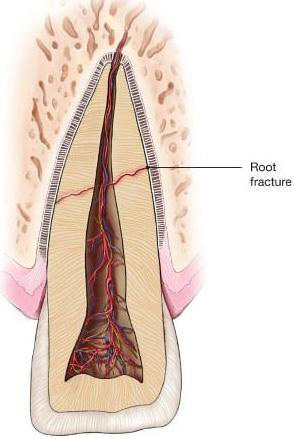
A horizontal root fracture is a type of dental trauma where the tooth's root breaks across its width. The treatment approach and prognosis for these kinds of
Traumatic Injuries depend on the fracture’s location and severity. Fractures occurring in the apical (root tip) or middle third generally have a better chance of healing, sometimes even without intervention beyond stabilization using splinting.
However, fractures in the coronal third (near the gum line) have a poorer prognosis, and in some cases, tooth extraction may be necessary. If the pulp tissue degenerates following a horizontal root fracture, root canal treatment up to the fracture line may be indicated.
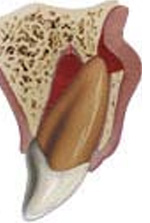
A luxated tooth is one that has been displaced from its normal position within the socket due to traumatic injuries. A dentist must carefully reposition the tooth, often using a splint for a few weeks to keep it stable during healing. If the pulp (nerve and blood vessels inside the tooth) is damaged, root canal treatment may be necessary, especially in permanent teeth.
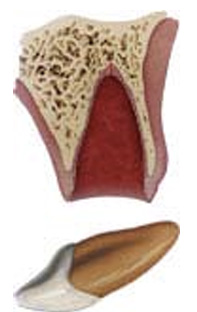
An avulsed tooth is one that has been completely knocked out from its socket due to trauma. Immediate dental care is crucial, preferably within an hour. If possible, try to reinsert the tooth into its socket right away. If reimplantation isn’t possible, keep the tooth moist by storing it in milk (the best option) or a saline solution—never in plain water. Upon visiting the dentist, they will reposition and stabilize the tooth with a splint. In cases of avulsed permanent teeth, root canal treatment is usually required.
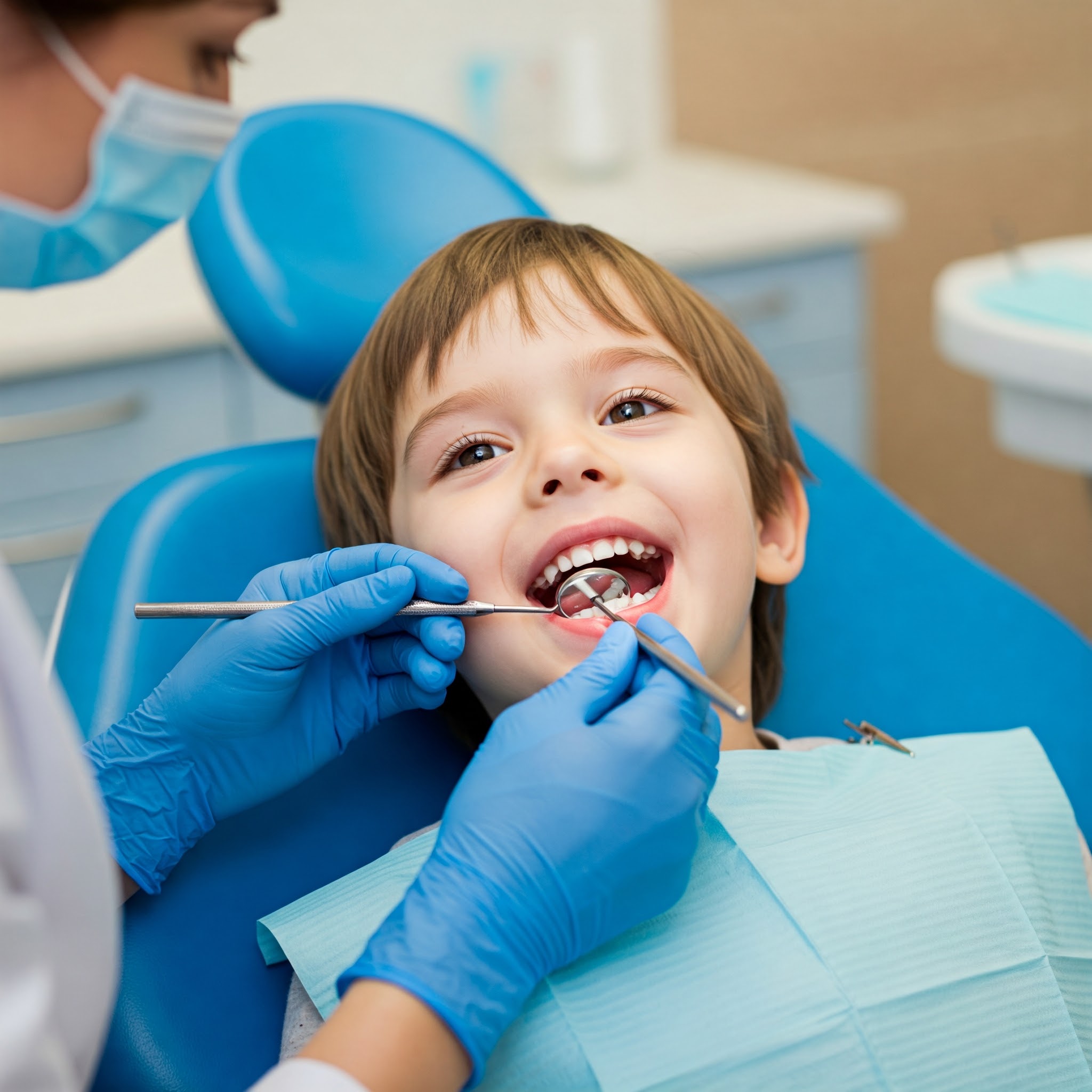
Immature permanent teeth are those that have not fully developed, meaning their roots are still growing. The goal of treatment is to preserve the vitality of the tooth whenever possible, allowing the root to continue growing and strengthening. However if the pulp dies, specialized procedures can be used close the immature root apex before a root canal is performed.